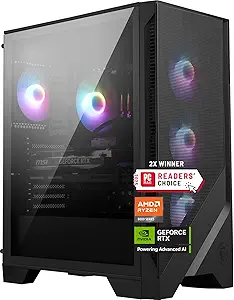
msi Codex Z2 Gaming Desktop, AMD R7-8700F, RTX 5070, 32GB DDR5, 2TB SSD
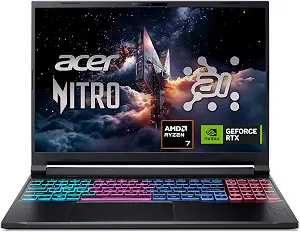
Acer Nitro V 16S AI Gaming Laptop
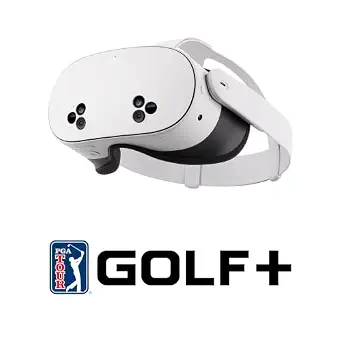
Meta Quest 3S 128GB | VR Headset
Best Gaming Buying Guide — Black Friday Deals 2026
Gaming setups can mean a desktop with room for a larger component list, a laptop with its own high-refresh display, or a standalone VR headset. This guide compares those three approaches using the specifications provided, so you can focus on the details that match your plans rather than assume one format suits everyone. For Black Friday, treat the featured labels as editorial signposts, not proof of a sale or a performance ranking. Check the exact product and configuration shown in the offer, then decide whether its graphics, memory, storage, display, or session details matter most for the way you expect to play.
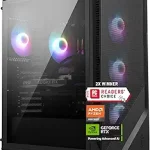
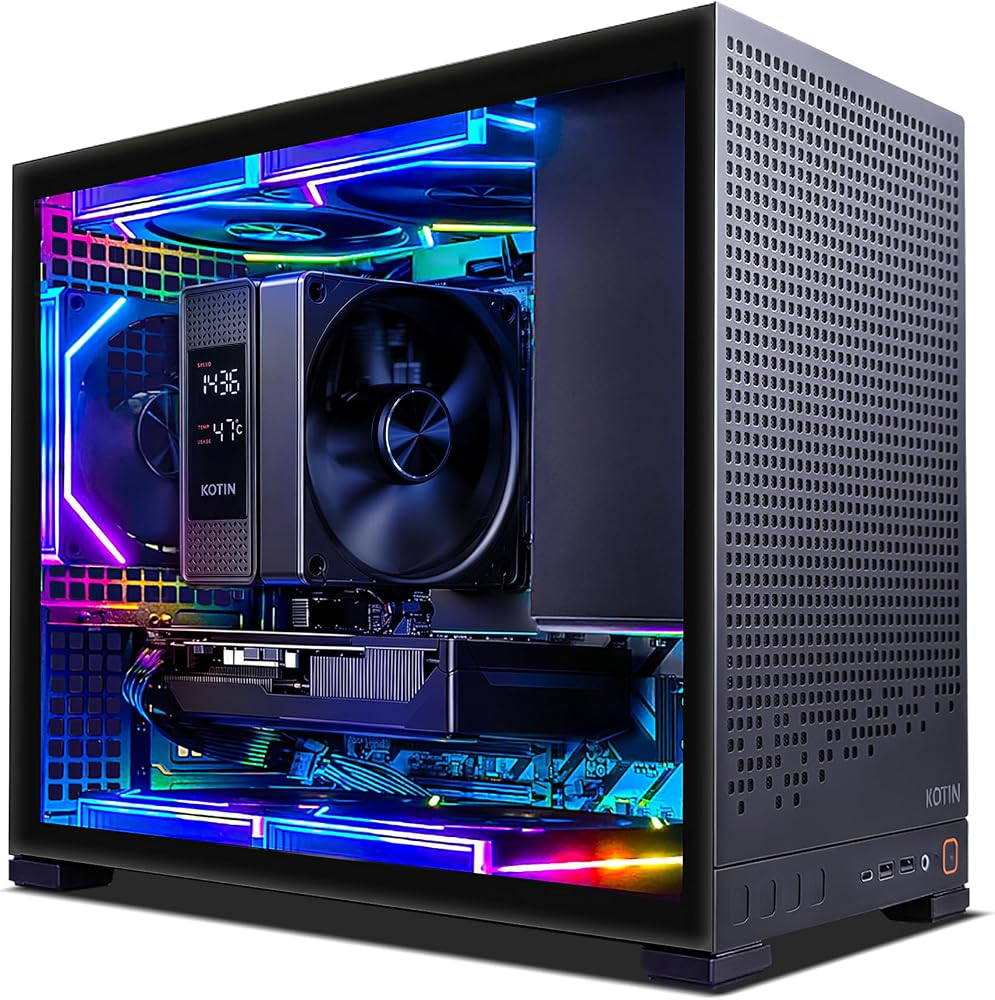
msi Codex Z2 Gaming Desktop, AMD R7-8700F, RTX 5070, 32GB DDR5, 2TB SSD
Check Price on Amazon
Best Overall is the editorial label for this desktop among the featured choices, not a claim that it will be the right fit for every gaming space or plan. Its listed configuration pairs an AMD R7-8700F processor with NVIDIA GeForce RTX 5070 graphics, 32 GB of DDR5 memory, and 2 TB of storage. That combination gives shoppers a clear set of components to compare when they want a desktop rather than a laptop or VR headset. Windows 11 Home is the listed operating system, which is another detail to confirm against your own setup preferences.
Think about where the computer will go before treating its component list as the whole decision. The listed dimensions are 16 x 8.38 x 19 inches, so compare that exact footprint with the space you have in mind. Consider where the desktop will sit and whether its placement makes sense for your room and routine. Those are practical fit questions, not evidence about noise, cooling, upgrade options, or gaming results; none of those details is established here. The listed 2 TB of storage and 32 GB of memory are useful points to weigh against your intended library and other tasks, but only you can decide whether those capacities suit your needs.
For Black Friday, compare the precise desktop configuration in the offer with this fact set rather than relying on a broad product name. Confirm that the listing identifies the RTX 5070 graphics, the 32 GB DDR5 memory, and the 2 TB storage you are considering. Then weigh the offer on its own terms; no sale price or discount is established here. This pick makes sense as the desktop option for someone prioritizing a defined graphics-and-memory configuration and willing to plan around a tower. The Best Overall label is a guide to this article’s selection, not a measured verdict or a promise of results in particular games.
Key specs
| Graphics | NVIDIA GeForce RTX 5070 |
| Memory | 32 GB |
| Memory type | DDR5 |
| Storage | 2 TB |
| Operating system | Windows 11 Home |
| Dimensions | 16 x 8.38 x 19 inches |
Acer Nitro V 16S AI Gaming Laptop
Check Price on Amazon
The Acer Nitro V 16S AI Gaming Laptop is the featured choice for a portable, high-refresh display. Its listed screen is a 16-inch WUXGA IPS display with a 180Hz refresh rate. That gives shoppers a concrete display specification to compare when choosing a laptop for gaming or other screen-based tasks. The supplied configuration also lists an AMD Ryzen 7 260 Processor, NVIDIA GeForce RTX 5060 Laptop GPU, 32GB DDR5 memory, and a 1TB Gen 4 SSD. These details describe the listed configuration; they do not establish how a particular game will run or how the display will look to you.
A laptop can suit someone who values having the screen and computer together in one product, but the listed facts do not establish its weight, battery life, dimensions, or performance away from a power source. Make those questions part of your own product-page review if they affect where you plan to play. Wi-Fi 6 is listed, giving you a wireless specification to consider alongside your network needs. The 1TB Gen 4 SSD and 32GB DDR5 memory are also specific capacities and types to compare with the software and files you expect to use. Avoid assuming that a capacity is either too much or too little without considering your own plans.
The Best for a portable, high-refresh display label points to the combination of laptop format and listed 180Hz display, not to a measured comparison against other screens. During Black Friday, check that the exact listing shows the same display, graphics, processor, memory, storage, and wireless details before judging an offer. A similar product name alone is not enough to verify that the configuration matches. Then compare the offer with your own priorities and budget, without assuming that a promotion is active or that a particular price represents savings. This option is a sensible shortlist candidate when the built-in display and stated refresh rate are central to your choice.
Key specs
| Processor | AMD Ryzen 7 260 Processor |
| Graphics | NVIDIA GeForce RTX 5060 Laptop GPU |
| Display | 16″ WUXGA IPS 180Hz Display |
| Memory | 32GB DDR5 |
| Storage | 1TB Gen 4 SSD |
| Wireless | Wi-Fi 6 |
Meta Quest 3S 128GB | VR Headset
Best Budget is the editorial label assigned to the Meta Quest 3S 128GB among these featured products. It is a VR headset rather than a desktop or gaming laptop, so compare it according to the kind of gaming experience you want rather than treating the categories as interchangeable. The supplied facts list 128 GB of storage, Oculus OS, standalone VR platform compatibility, and a field of view of 110 degrees. Standalone is the stated platform compatibility; the information here does not identify particular games, accessories, or other devices as compatible.
For a shopper considering VR, the display and session details can help frame the decision. The listed maximum display resolution is 1832 x 1920 per Eye, and the listed average battery life is 2.5 hours. These are specifications to consider alongside how you expect to use the headset; they are not guarantees about every session or a judgment about visual quality. Storage capacity is another planning point: think about what you want to keep available and verify any game-specific storage needs separately. The facts provided do not establish charging arrangements, comfort, included accessories, or how the headset fits a particular person, so check those details if they matter to your decision.
Black Friday shoppers should verify that the offer is for the 128 GB Meta Quest 3S configuration and review the exact listing details before comparing it with other options. Do not infer a discount, bundle, or included item from the product name alone. The Best Budget label is a guide to the role this product fills in this article, not evidence of its current price or a claim that it is the least expensive choice in the wider market. It may be a fit for someone whose priority is a standalone VR headset and who has considered its listed storage, display resolution, field of view, and battery-life specification. Decide whether those details align with your intended sessions before weighing any Black Friday offer.
Key specs
| Storage | Memory Storage Capacity 128 GB |
| Operating system | Operating System Oculus OS |
| Field of view | Field Of View 110 degrees |
| Battery life | Battery Average Life 2.5 hours |
| Display resolution | Display Maximum Resolution 1832 x 1920 per Eye |
| Platform | VR Operating Platform Compatibility Standalone |
Choose a setup around the way you play
Start by deciding which kind of setup fits your routine. The desktop, laptop, and VR headset here serve different roles, so a comparison based only on the word gaming can obscure the choice that matters most. A desktop buyer can focus on the listed tower dimensions and component configuration. A laptop shopper can assess the built-in display alongside its listed processor, graphics, memory, and storage. A VR shopper can begin with standalone platform compatibility and the headset’s stated display and session specifications. These are different decision paths, not an overall ranking.
Next, name the tasks and settings you care about. If you expect to play at a desk, consider whether a desktop or laptop makes sense in that space. If you want a headset-based experience, look at the VR-specific facts and verify the titles and other requirements that matter to you. The supplied information does not establish game performance, portability measurements, or compatibility beyond the Quest’s standalone platform description, so use the exact product listing to answer questions outside these facts. For Black Friday, keep the form factor fixed while comparing offers: a tempting offer on a different kind of product may not address the same need.
Read the computer specifications as a configuration
When comparing the desktop and laptop, separate the component names from conclusions about results. The desktop lists an AMD R7-8700F processor and NVIDIA GeForce RTX 5070 graphics; the laptop lists an AMD Ryzen 7 260 Processor and NVIDIA GeForce RTX 5060 Laptop GPU. The provided specifications identify those parts, but they do not support a direct claim about frame rates or which one performs better. Laptop and desktop graphics are also described with different product wording, so do not treat the model names as interchangeable evidence of results.
Memory and storage offer another useful comparison, provided you connect them to your own plans. The desktop lists 32 GB of DDR5 memory and 2 TB of storage; the laptop lists 32GB DDR5 memory and a 1TB Gen 4 SSD. Think about the files and software you expect to keep, and check any specific requirements for the games you use. The operating system listed for the desktop is Windows 11 Home. The supplied laptop facts do not specify an operating system, which is a reason to check the listing rather than assume one. During Black Friday, confirm the component details for the exact configuration before comparing its offer with another computer.
Make the display and session details work for your plans
The laptop’s display specification can help narrow a shortlist if screen characteristics are important to you: it is listed as a 16-inch WUXGA IPS display with a 180Hz refresh rate. Treat those details as a description, not a promise about image quality or a particular game’s behavior. Consider whether the stated size and refresh rate match what you are seeking, and look to the exact listing for other screen details that could influence your preference. No additional screen characteristics are established in the provided facts.
For the Meta Quest 3S, consider the listed 1832 x 1920 maximum resolution per Eye, 110-degree field of view, and average battery life of 2.5 hours together with the kind of sessions you expect. These figures give you concrete specifications to weigh, but they do not predict how every person will experience the headset or how long every use will last. Check any title-specific requirements separately. Black Friday can make it tempting to focus on the offer first; keep the display and session details in view so that a deal comparison still reflects the experience you actually want.
Plan the space, capacity, and connection around your setup
Practical fit can matter as much as a component list. The desktop’s dimensions are 16 x 8.38 x 19 inches, so compare that exact measurement with your intended placement. The laptop’s provided facts identify a 16-inch display but do not give its overall dimensions or weight. Do not infer those from the screen size; check the listing if carrying or fitting the laptop is important. The Quest 3S is identified as a headset with standalone platform compatibility, but the supplied facts do not detail its physical fit or included items. Review those specifics for your own needs.
Capacity is best judged against your habits, not as a universal verdict. Compare the desktop’s 2 TB storage, laptop’s 1TB Gen 4 SSD, and headset’s 128 GB storage with what you plan to install or keep. The laptop’s Wi-Fi 6 specification may also matter when you are considering its wireless setup, though the provided facts do not describe network performance. Verify the connection and software needs of your intended games independently. These checks help make a Black Friday comparison more useful: first decide which setup fits, then assess whether its stated capacities and connection details meet your priorities.
Use a careful Black Friday offer check
A Black Friday label does not by itself establish that an item is discounted, available, or a better value. Start with the exact product and configuration, then compare the offer details shown to you. For the desktop, verify the graphics, memory, storage, and operating system. For the laptop, confirm the display, graphics, processor, memory, storage, and Wi-Fi 6 specification. For the headset, make sure the listing matches the 128 GB model and review the stated platform and display details. If a listing leaves a question unanswered, do not fill the gap with an assumption.
Compare only products that meet the same need, and decide what matters before looking at an offer. You might prioritize a desktop component configuration, the laptop’s stated high-refresh display, or a standalone VR format. The editorial labels in this guide help organize those options; they are not test results, market-wide awards, or evidence of current pricing. Check any seller, delivery, return, and bundle details directly on the offer page, since none are established by the specifications here. This method keeps Black Friday shopping grounded in the exact configuration and the terms you can verify.
Make your Black Friday choice
The most useful gaming choice is the one whose format and listed details match your plans. The desktop offers a defined RTX 5070, 32 GB DDR5, and 2 TB configuration; the laptop pairs a listed 180Hz display with its own component set; and the Quest 3S presents a standalone VR option with stated storage, display, and battery-life specifications. Treat each label as a starting point, not a guarantee. Before committing during Black Friday, verify the exact variant and offer, check any unanswered fit or compatibility questions, and decide whether the product suits the way you intend to play.