Choosing a VR headset for Black Friday starts with the kind of session you want, not a deal headline. A standalone platform, a larger storage capacity, and display specifications can each point toward a different fit. The listed options range from the Meta Quest 3S 128GB to the Meta Quest 3 512GB and Pimax Crystal Super, with notably different connection and display details. Black Friday listings may show different configurations or offer terms, so compare the exact model and variant before deciding. This guide focuses on the provided specifications and the everyday questions they help answer; it does not assume a particular promotion is active.
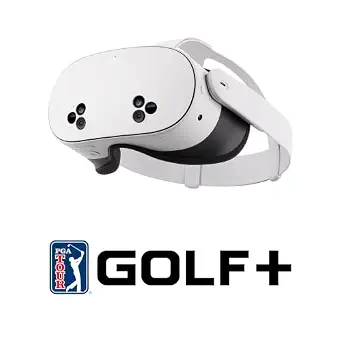
Meta Quest 3S 128GB | VR Headset (ASIN B0F2GYMC8H)
The Meta Quest 3S 128GB is the Best Budget pick in this group as an editorial designation, not a statement about its current price. Its clearest practical distinction is the listed standalone platform compatibility. That can make it a candidate for someone who wants to consider a headset without making a separate computer connection central to the setup. The product facts identify Oculus OS, 128 GB of storage, and a field of view of 110 degrees, giving shoppers concrete details to compare when deciding whether this configuration fits their plans.
Think about the games and other content you might want to keep available, then consider whether 128 GB suits that library. Storage alone does not establish how much content a particular person can store, so it is better to treat it as a comparison point than a promise about capacity in practice. The listed maximum display resolution is 1832 x 1920 per Eye. If you are comparing display information across Black Friday listings, confirm that the listing names this exact Quest 3S configuration rather than assuming another Quest model has the same specifications.
Battery planning also matters if you expect to use a headset in sessions away from a charging break. The listed average battery life is 2.5 hours; treat that as the product’s stated average, not a guaranteed duration for every use. A shopper with a regular break or charging routine may weigh this differently from someone hoping to use a headset for a longer stretch. The 110-degree field of view is another useful specification to weigh alongside resolution, but the numbers by themselves do not tell you which headset will feel best to you.
For Black Friday, compare the complete product name, 128 GB capacity, and stated configuration on the offer page before choosing. If the listing presents bundles or variants, check what the selected option actually identifies rather than assuming contents from a nearby image or title. The Quest 3S makes most sense for shoppers prioritizing its listed standalone compatibility and who find its storage and display details suitable. Its Best Budget label is a guide to its role in this three-product selection, not evidence of a sale price, discount, or market-wide ranking.
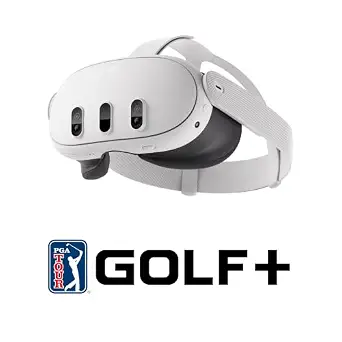
The Meta Quest 3 512GB earns the Best Overall label among the products in this guide. This is an editorial choice, not the result of testing or a claim that it is right for every shopper. Its listed specifications give a shopper several useful points to weigh together: 512 GB of storage, resolution of 2064×2208 pixels per eye, a display refresh rate of 120 hertz, and USB Type C connection. The product also lists two Meta Quest Touch Plus Controllers with AA batteries included. Those details make it a well-rounded option to investigate when comparing the featured headsets.
Consider storage in terms of how you plan to use the headset. A larger listed capacity may be relevant if you want more room to manage content, but the specification does not say how much space any particular library will require. The resolution and refresh-rate figures are also useful for comparing listings, though they cannot predict an individual shopper’s visual experience. If display detail is high on your priority list, note the exact values and model name rather than relying on broad claims in a Black Friday headline.
The listed average battery life is 2.2 hours. Use that as a planning detail alongside your usual session length and charging routine, keeping in mind that an average does not guarantee the same duration in every situation. The USB Type C connection is a stated connector specification; check the setup requirements for the particular content or accessories you plan to use rather than assuming the connector alone settles compatibility. The included controller information is specific: two Touch Plus Controllers, with AA batteries included. Confirm the selected offer retains the configuration you want.
During Black Friday shopping, the Quest 3’s Best Overall label can help organize a shortlist, but it should not replace a personal priorities check. Look at whether the storage, display figures, stated connection, battery information, and included controllers line up with your needs. Then compare the exact variant and offer terms with other listings. A headline deal is not enough to establish that the product is the same configuration or that the offer suits your intended use. The strongest reason to consider this model is the combination of clearly listed features, not an unsupported promise about performance or value.
Key specs
Storage
512 GB
Display resolution
Resolution 2064×2208 pixels per eye
Refresh rate
Display Refresh Rate in Hertz 120
Battery life
Battery Average Life 2.2 hours
Connection
Connector Type USB Type C
Included controllers
2 Meta Quest Touch Plus Controllers (with AA batteries included)
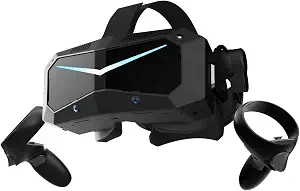
The Pimax Crystal Super VR Headset is Best for a high-resolution display, an editorial label grounded in its listed resolution of 3840×3840 per eye. That label describes a feature to prioritize, not a measured verdict about image quality or a claim of superiority in use. The display is listed as QLED, with a 90-hertz refresh rate and a 140-degree field of view. For shoppers comparing headset specifications, these details make it possible to assess whether this model’s stated display approach fits the experience they have in mind.
Its connection details set it apart from the two Meta product listings: the stated connector types are DisplayPort and USB. If you are considering this headset, verify that the equipment and setup you intend to use meet the requirements for the exact product and content. The supplied facts do not identify a compatible computer or describe a complete setup, so do not treat the connector names alone as a compatibility guarantee. The headset also lists inside-out tracking and eye tracking. Those are specific features to note, while the provided information does not describe how they behave in a given application.
The high per-eye resolution may make this an appealing model to investigate if display specifications are at the top of your shopping checklist. At the same time, choosing by one figure alone can leave out practical questions such as the connection your intended setup requires, the space you have for use, and which content you plan to access. Use the listed 140-degree field of view, QLED display, and refresh rate as separate comparison points rather than treating any one as a complete measure of the experience.
Black Friday listings deserve a careful variant check here too. Confirm that the page identifies the Pimax Crystal Super and verify the selected option’s included items and offer terms on the listing; those details are not established by the specifications provided here. Compare the exact product name and its DisplayPort and USB connection information with your own setup before making a decision. The Best for high-resolution display label can narrow the shortlist for shoppers who value the stated resolution, but it does not promise a particular result or establish that this model is the best fit for every VR buyer.
Key specs
Resolution
3840×3840 per eye
Field of view
Field Of View 140 degrees
Display
Display Type QLED
Refresh rate
Display Refresh Rate in Hertz 90
Connection
Connector Type DisplayPort, USB
Tracking
Sensor Technology inside-out tracking
Eye tracking
Eye Tracking
Match the headset to the session you actually want
Start with a realistic picture of where and how you expect to use VR. If avoiding a separate computer connection is central to your decision, the Quest 3S listing explicitly identifies standalone platform compatibility. The Quest 3 and Pimax records supplied here do not make the same standalone claim, so do not assume their setup is identical. The Pimax listing names DisplayPort and USB, which makes it especially important to check whether your intended setup meets the product’s requirements before purchase.
Next, think about the content you want to access and how you prefer to manage it. The Quest 3S lists 128 GB of storage, while the Quest 3 lists 512 GB. Those capacities are useful comparison points, but they do not tell you how much room your own collection will need. For Pimax, the provided facts do not state a storage capacity. Make a short list of your priorities, then compare only specifications confirmed for the exact model you are considering.
During Black Friday, a tempting headline can make it easy to skip these basic questions. Pause to confirm the complete model name, connection details, and selected configuration. If a listing leaves a key requirement unclear, check that information before treating the offer as a match. A headset is a better candidate when its stated setup and storage details suit your actual plans, not simply because a promotion looks prominent.
Read display specifications in context
Display figures are useful, but they answer different questions and should not be collapsed into one broad quality claim. The Quest 3S lists a maximum resolution of 1832 x 1920 per Eye and a 110-degree field of view. The Quest 3 lists 2064×2208 pixels per eye and a refresh rate of 120 hertz. Pimax lists 3840×3840 per eye, a QLED display, a 90-hertz refresh rate, and a 140-degree field of view. Compare each model’s stated information directly, preserving the model names and exact formats.
Think about which details matter most to you rather than treating the largest-looking number as an automatic decision. Resolution, field of view, display type, and refresh rate are distinct specifications. The information here does not establish how a particular person will perceive them, nor does it provide a direct test comparison. If you are narrowing a shortlist for Black Friday, note the figures you care about and check that the offer page describes the same headset and variant.
Use the display details as one part of the decision alongside setup, storage, and battery information where available. A specification may help you distinguish products on paper, but it cannot substitute for confirming that the headset fits your intended use. Avoid relying on vague listing language when the exact model’s facts give you a more precise basis for comparison.
Plan around storage, battery, and included items
Storage capacity is most helpful when considered against the way you expect to manage content. The Quest 3S is listed with 128 GB, and the Quest 3 with 512 GB. Those figures can guide a comparison, but neither one guarantees that a particular number of games or other items will fit. No storage capacity is provided for the Pimax Crystal Super in the facts for this guide, so avoid filling that gap with an assumption.
Battery information is available for both Meta headsets: the Quest 3S lists an average battery life of 2.5 hours, and the Quest 3 lists an average of 2.2 hours. Because each is described as an average, use it for planning rather than expecting an identical duration in every session. The Pimax facts supplied here do not list battery life. If your routine depends on long uninterrupted use or convenient breaks, make that a question to resolve from the exact product information before purchasing.
Included items can also affect whether an offer fits your plans. The Quest 3 listing specifies two Meta Quest Touch Plus Controllers with AA batteries included. The supplied facts do not give equivalent bundle details for the other products. On Black Friday, inspect the selected variant and its stated contents rather than assuming that every listing or package includes the same items.
Black Friday checks for the exact model and offer
A Black Friday label does not by itself establish a discount, final price, or promotion terms. Compare the exact offer shown on the product page and make sure you have selected the model you intend to buy. In this guide, that means distinguishing Meta Quest 3S 128GB from Meta Quest 3 512GB, and keeping both separate from Pimax Crystal Super. Similar names or nearby listing images are not a substitute for confirming the selected product.
Check the configuration before evaluating the offer. For the Quest 3S, verify the 128 GB version. For Quest 3, confirm the 512 GB model and review whether the listing identifies the stated controllers. For Pimax, confirm the product name and check the selected option’s details, since the information here does not establish bundle contents. Re-read any seller-provided offer terms on the page rather than assuming they are shared across variants.
Finally, compare the offer with your needs, not just with surrounding promotional language. Confirm the product identity, specifications, included items, and terms visible for the selection you would actually place in your cart. If anything important is unclear, resolve that uncertainty before deciding. These checks help keep a Black Friday comparison grounded in the item being offered instead of a general headline.
Use priorities to make a practical shortlist
A useful shortlist begins with one or two must-haves. A shopper prioritizing a stated standalone platform can investigate the Quest 3S. Someone who wants to compare the listed 512 GB capacity, display information, USB Type C connector, and included controllers may put the Quest 3 on the list. A shopper focused on the Pimax’s stated 3840×3840 per-eye resolution, QLED display, and DisplayPort and USB connectors can investigate that model while checking setup requirements. These are starting points, not guarantees about fit.
Give each priority a reason. Storage may matter because of how you expect to manage content; a connector may matter because it needs to match your intended setup; battery information may matter because of your routine. The provided specifications cannot answer every personal or compatibility question, so identify what remains to be confirmed before making a purchase. This step is particularly useful when Black Friday pages put multiple models or configurations close together.
Then compare candidates against the same checklist. Write down the model, the specifications that matter to you, what the offer page says is included, and any unanswered setup questions. This method helps prevent a promotional label or a single attractive figure from taking over the decision. The best choice is the one whose confirmed details align with your priorities and whose exact offer terms you understand.
Make your Black Friday choice
For Black Friday, keep the decision tied to the exact headset and the details that shape your plans. The Quest 3S offers listed standalone compatibility and 128 GB of storage; the Quest 3 combines its listed 512 GB capacity with display details and specified controllers; the Pimax Crystal Super stands out on paper for its stated per-eye resolution and named connection types. These distinctions support different shopping priorities, not a universal winner. Confirm the selected variant, included items, setup requirements, and offer terms before you decide. A careful comparison is more useful than assuming a headline promotion tells the whole story.