Creality Ender 3 V3 SE
Best Overall
Snapmaker U1
Best Budget
Bambu Lab P1S
Best Premium
3d printer black friday deals buying advice: Black Friday Deals 2026
Black Friday is a noisy week to buy a 3d printer, because similar boxes get photographed as if they were the same machine. This page links three verified listings and no others. The Creality Ender 3 V3 SE is the Best Overall pick. The Snapmaker U1 is the Best Budget pick. The Bambu Lab P1S is the Best Premium pick. Those labels are feature labels for these three models. They are not a price ranking, and this page does not state a price, a discount, or a sale.
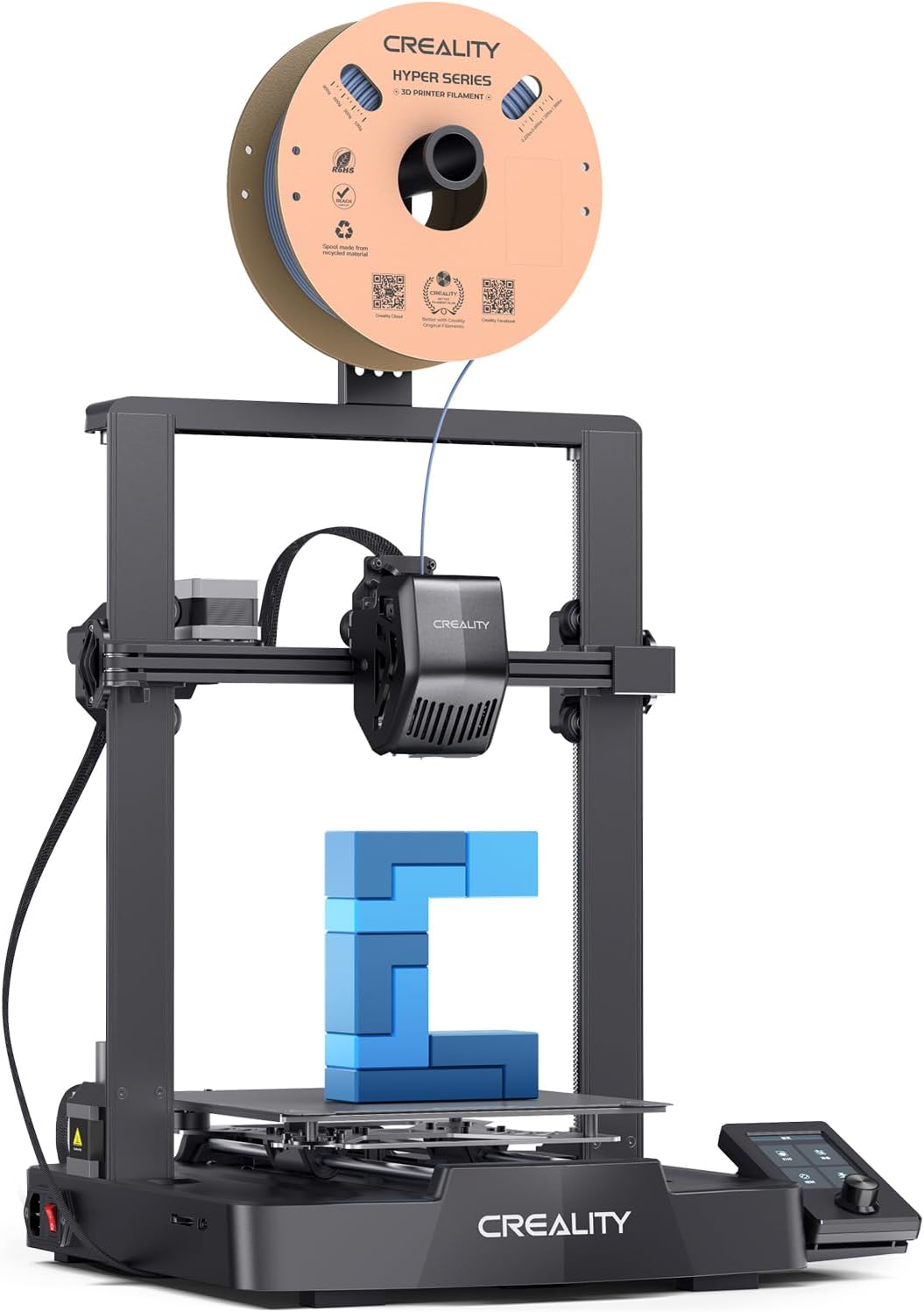
The Ender 3 V3 SE listing is titled as an official Creality printer. The title names a 250 mm/s high-speed figure, CR Touch, a Sprite direct extruder, and a build size of 8.66 by 8.66 by 9.84 inches. That is the machine behind the first photo and the first Check Price on Amazon button. It is a single-extruder FDM printer in the Ender 3 V3 SE name, not a different Ender generation and not a multi-toolhead machine. The title also mentions Christmas decorations. That is a use the listing advertises. It does not change the printer into a craft kit, and it does not mean decorations are in the box unless the live title says they are.
The 8.66-inch cube class is the practical limit you can check with a tape before you click. A part larger than that footprint, or taller than 9.84 inches, does not fit this build volume. The speed figure of 250 mm/s is a number on the title, not a promise that every print runs at that speed. Small layers, flexible filament, and a tall thin part usually need slower motion. CR Touch is an automatic bed probe named on the title. It does not replace a clean, level bed or a first-layer check you watch with your own eyes. The Sprite direct extruder is the named extruder. Direct drive sits on the moving head, which matters for flexible filament, and the listing does not name a second extruder.
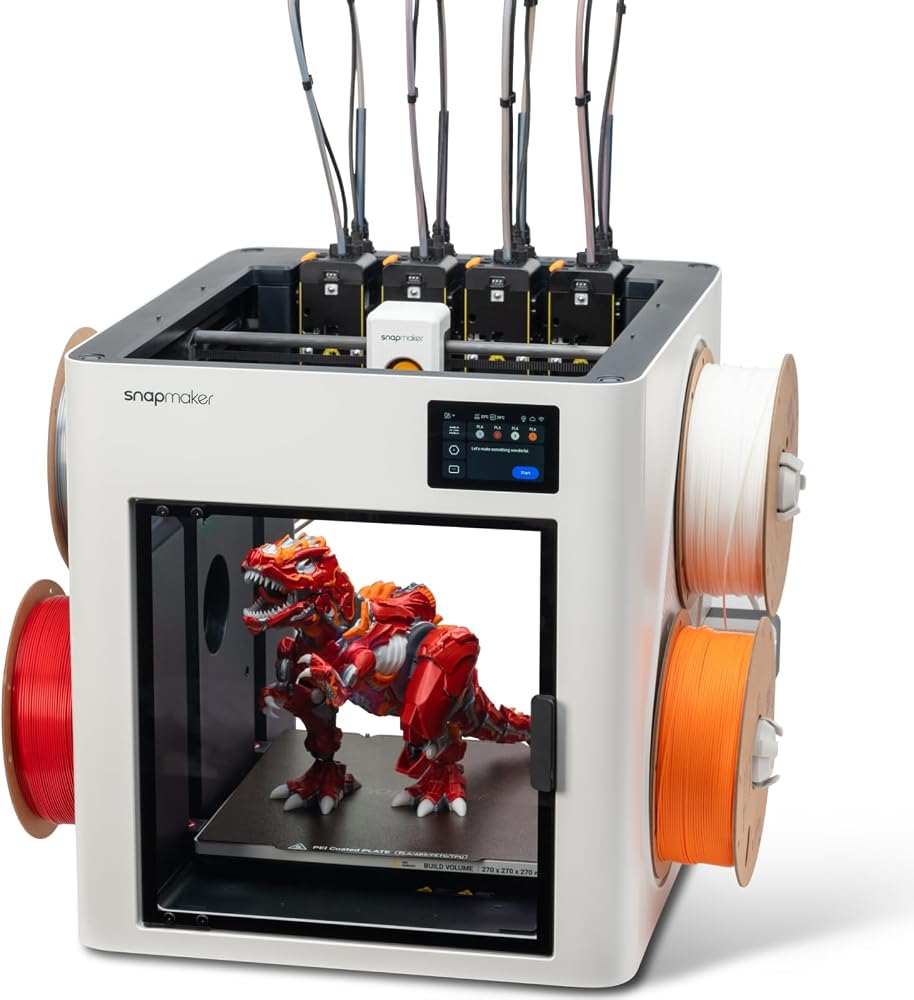
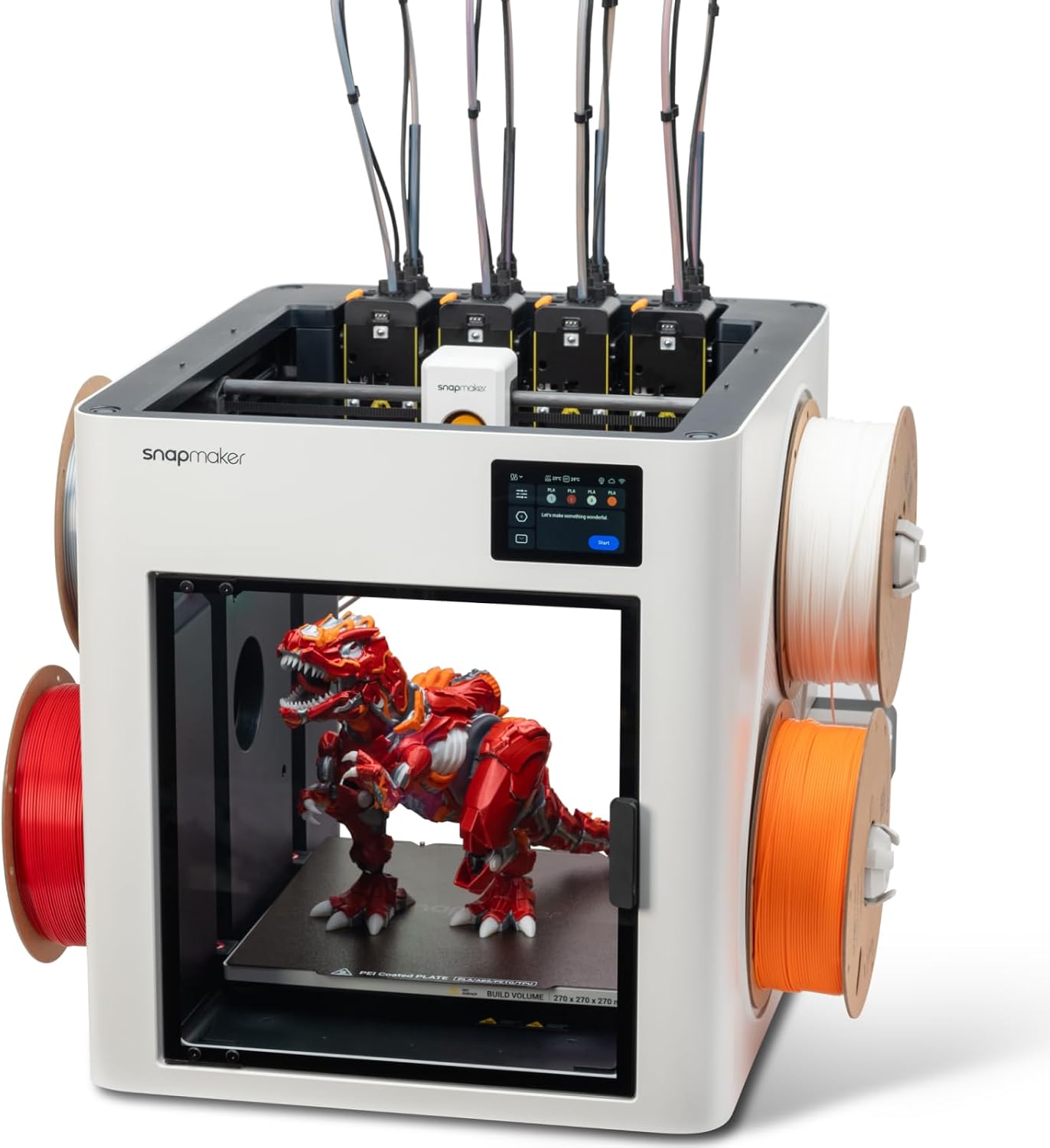
The Snapmaker U1 listing is a different kind of printer. The title says 4-toolhead, a 5-second toolchanger, and multi-color printing. The Best Budget label on this page is not a claim that the U1 is the simplest machine or the lowest price. It is the verified model assigned to that role beside the Ender and the P1S. Read the features, not the adjective. Four toolheads and a toolchanger are how the title describes color changes. A 5-second figure is the toolchange time the title states. It is not a full print time. Multi-color printing on a toolchanger still needs one spool, or one loaded material, for each toolhead you intend to use. The title does not state a build volume, a nozzle size, or an enclosure. Do not borrow those numbers from a different Snapmaker model.
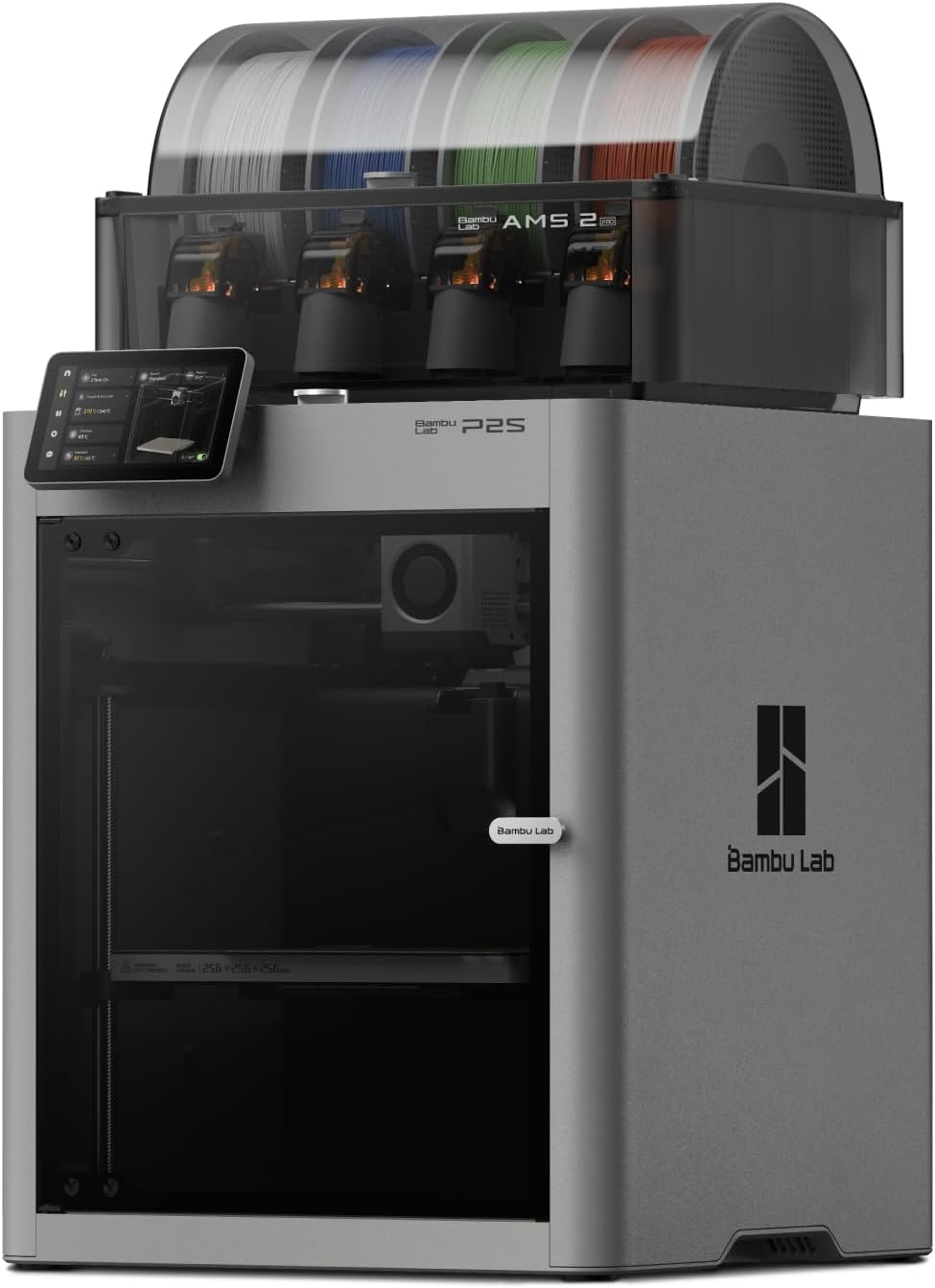
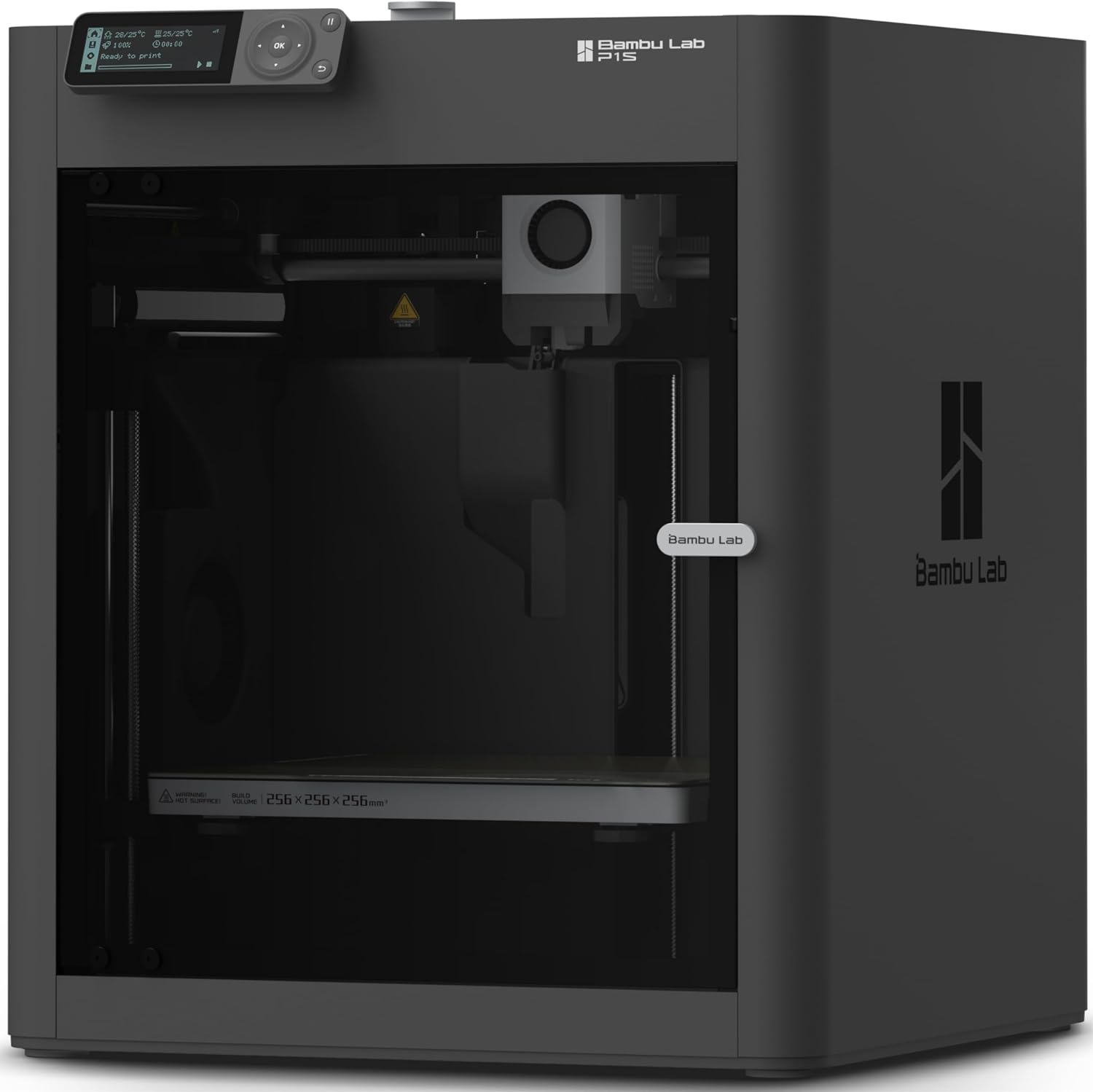
The Bambu Lab P1S listing says ready-to-use FDM 3D printer. That is the Best Premium model here because the title presents an enclosed, ready-to-use P1S, not because this page ranked a price. The letters are P1S. A search result that mentions a P2S is a different model name, and this button is not a P2S. The title does not list a speed, a build volume, a camera, or a multi-color unit. If a live gallery adds those claims, read them on that listing. Do not treat this page as the spec sheet for anything the title left out. Ready-to-use means the listing is selling a printer that is meant to be assembled less than a kit. It still needs filament, a stable table, and a first print you watch.
Choose by the job. A single-color part that fits inside 8.66 by 8.66 by 9.84 inches is the Ender 3 V3 SE’s stated space, with CR Touch and a Sprite direct extruder named on the box you should match. A print that needs more than one color in the same job is the reason the Snapmaker U1 title exists: four toolheads and a toolchanger. An enclosed ready-to-use FDM printer, sold under the P1S name, is the Bambu listing. Buying all three does not make a better first printer. One machine that matches the parts you will actually print is enough.
Filament is not included just because a printer is for sale. The three titles do not name a spool in the box. PLA is the usual first material for an open printer because it does not demand a hot chamber. The Ender title does not say the machine is limited to PLA. The P1S title does not say which materials the enclosure supports. The U1 title does not say that all four toolheads ship loaded. Bring the material the manual allows, and keep the first spool ordinary until a successful print exists. Wet filament pops and strings. A dry box is a separate purchase. None of these listings is a dryer unless the title says so.
The table matters more than a banner. A printer walks if the bench is light. Put the machine where a failed first layer can be stopped, not in a closed closet with no air, and not on a board that rocks. The Ender’s stated height is 9.84 inches of build space, which is the part, not the full machine. The printer body is taller than the part it prints. Measure the shelf, including the bowden or the direct-drive head at the top of travel, before you assume a cabinet door will close. The U1, with four toolheads, needs more side room than a single-extruder photo suggests. The title does not give that width. Look at the live gallery and the detail table, then measure.
Power and network are the unglamorous checks. These titles do not state wattage. Use the cable in the box and a grounded outlet. Do not daisy-chain a printer with a heater. A ready-to-use P1S may want an account or a network for its own software. The title does not say which app. Follow the manual that arrives, not a comment that names a different Bambu printer. The Ender title does not mention Wi-Fi. Do not assume a camera or an app is included. The U1 title does not mention a cloud account. If the live page adds one, that page is the source.
Slicing is separate software. A printer does not choose layer height for you in a way this page can promise. Start with the profile the maker supplies for that exact model. A profile for a different Ender, a different Snapmaker, or a P1P instead of a P1S can be the wrong start. The first print should be a small square you can afford to throw away. Watch the first layer. If the nozzle scrapes or the line does not stick, stop the job. CR Touch on the Ender is there to probe the bed. It is not a reason to leave the room for the first hour.
Safety is ordinary and short. A hot nozzle and a hot bed burn. Moving toolheads on the U1 are a pinch point, especially with four of them. Keep hair, sleeves, and pets out of the belt path. An enclosed P1S still gets hot inside. Do not print unattended overnight until you have seen this exact unit finish a small job. Ventilation matters more as materials get more demanding. If the manual says a material needs airflow, believe the manual.
On arrival, match the name printed on the unit to the title you opened. Ender 3 V3 SE is not Ender 3 V3 KE and not an older Ender 3. Snapmaker U1 is not a different Snapmaker toolhead count. Bambu Lab P1S is not a P1P and not a P2S. Count the toolheads if you bought the U1. The title says four. A missing toolhead is a return, not a later accessory you pretend was optional. Confirm CR Touch and the Sprite extruder are the parts named for the Ender. Power the machine, home the axes, and heat the nozzle only after the manual says the wiring is complete. A scraper, a side cutter, and a spare nozzle are useful and are not in these titles. Buy them only if you need them.
A spool, a nozzle, and a slice profile are the three things people borrow from a different printer and then blame on the machine. Use the nozzle diameter the manual for this model states. A spare nozzle from a drawer is fine only if it is the same thread and the same diameter. A slice profile named for a different Creality, a different Snapmaker toolhead count, or a Bambu printer that is not the P1S will start you with the wrong temperature and the wrong retraction. Rename the profile after the first good print so you do not load it onto the wrong machine later. Keep one small file, a single-layer square, and run it when you change filament. That is a setup habit.
The room around the printer is part of the buy. An open Ender sheds a little noise and a little odor from hot plastic. An enclosed P1S keeps more of that inside the box and still needs the clearance the manual prints for the door and the lid. A four-toolhead U1 needs a bench that is wider than a single-extruder photo, because the title’s toolchanger has to move between heads. Leave a path to the power switch. Do not push the printer against a curtain. Filament should not share a shelf with a heater. If you print in a bedroom, plan on moving the machine or accepting the sound of the fans for the length of the job. None of the titles states a decibel number. If the live page adds one, read it there.
Firmware and the slicer version are easy to mix across brands. Update the Ender only with the Creality path the manual names for the V3 SE. Update the P1S only with the Bambu path for a P1S. Update the U1 only with the Snapmaker path for the U1. A file shared in a comment for a different model can change temperatures and travel speeds in ways you will not notice until a print fails. Save the profile that worked, and do not overwrite it when a holiday bundle includes a spare card full of someone else’s files. A card from a different printer can also carry the wrong settings: temperatures for a material you do not have, and speeds copied from a 250 mm/s headline. Start from the maker’s profile for the V3 SE, the P1S, or the U1, then change one setting at a time. Keep the good profile named after the model so a later print does not load the wrong one. Name the file after the model and the date so the next print does not open last week’s experiment. The card in the box, if there is one, should be checked for the model name before you print from it.
Black Friday does not change the model string. It only puts more printers on the same page. Use the photo on this page to recognize the listing, then read the live title before you use the button. The photo and the Check Price on Amazon button for each role share one product link. If the live title drops V3 SE, drops U1, or drops P1S, stop. The stable facts are the ones in the three titles: 250 mm/s, CR Touch, Sprite direct extruder, and the 8.66 by 8.66 by 9.84 inch size on the Ender; four toolheads, a 5-second toolchanger, and multi-color printing on the U1; and a ready-to-use FDM P1S from Bambu Lab. Match that machine, then read the live price yourself.