Metabo HPT 10-Inch Compound Miter Saw, 15-Amp, Single Bevel, C10FCG2
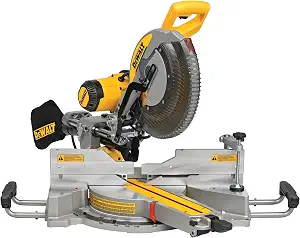
DEWALT 12-inch Double Bevel Miter Saw (DWS780)
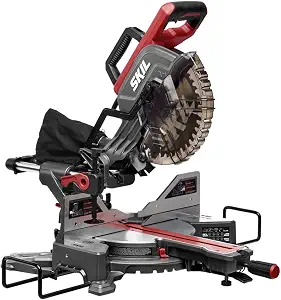
SKIL 10″ Dual Bevel Sliding Compound Miter Saw-MS6305-00
Best Miter Saw Buying Guide — Black Friday Deals 2026
A miter saw decision starts with the cuts you expect to make, not with a Black Friday banner. Consider whether your projects call for a compact 10-inch saw, a 12-inch blade, sliding crosscut capacity, or the ability to bevel in one or both directions. Then weigh those needs against the space and setup you can give a corded tool. The Metabo HPT C10FCG2, DEWALT DWS780, and SKIL MS6305-00 take different approaches, so compare their stated adjustments and capacities with your own work. During Black Friday, check the exact model and configuration in the offer before treating a promotion as relevant.
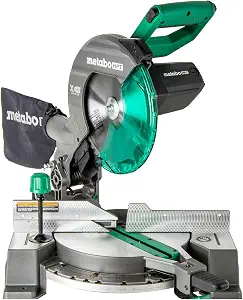
Metabo HPT 10-Inch Compound Miter Saw, 15-Amp, Single Bevel, C10FCG2
Check Price on Amazon
The Metabo HPT C10FCG2 is the Best Budget pick in this group, an editorial label rather than a statement about a sale price. It is a 10-inch compound miter saw with a 15-amp motor, corded electric power, and a 120-volt rating. Its no-load speed is up to 5,000 RPM. For shoppers who want to compare a straightforward single-bevel option, those are practical starting points: think about the material and cut types on your list, the outlet and work area available, and whether the listed adjustments cover the angles you expect to use. Do not treat speed by itself as a measure of suitability for a particular job.
The saw provides a 0-52° miter angle range left and right, plus an adjustable bevel range of 0-45° left. That arrangement can help a shopper decide whether the intended cuts can be planned around a single-bevel design. For example, someone preparing repeated miters for a home project can compare the stated miter range with the angles needed, then check whether the left-only bevel range addresses the bevel work involved. The product name identifies it as a compound saw, but the specifications here do not provide a cutting-capacity figure; confirm capacity for your material rather than guessing from blade size. Black Friday shoppers should check that the offer is for C10FCG2, not merely a similar-looking 10-inch saw.
Its listed dimensions are 23.6″L x 18.3″W x 21.8″H, and its weight is 24.2 pounds. Those figures give you concrete information for planning a bench, storage spot, or move between work locations. Compare them with the space you actually have, while allowing for the practical room needed to position your work; do not assume the published dimensions describe every setup requirement. The single-bevel format is a tradeoff to evaluate against your project habits, not an automatic drawback. Best Budget identifies this model as the budget-oriented choice among these three, but the label does not promise a discount. For a Black Friday comparison, check the exact model, included configuration, and current offer details before deciding.
Key specs
| Power source | Power Source Corded Electric |
| Voltage | Voltage 120 volts |
| No-load speed | no-load speed up to 5,000 RPM |
| Miter angle range | 0-52° miter angle range left and right |
| Bevel range | adjustable bevel range of 0-45° left |
| Dimensions | 23.6″L x 18.3″W x 21.8″H |
| Weight | 24.2 pounds |
DEWALT 12-inch Double Bevel Miter Saw (DWS780)
The DEWALT DWS780 earns the Best Overall label among these selections as an editorial choice for shoppers who want a 12-inch, double-bevel saw. Its corded electric power source, 110-volt rating, and 3,800-rpm speed are useful details to consider when planning a fixed cutting station. The 12-inch blade and double-bevel designation make this the option to examine when your project list includes varied trim angles and you would rather assess a larger blade format than default to a 10-inch model. Those details describe the saw; they do not guarantee a particular result on every material or project.
Think through the routine around your work before choosing it. For a homeowner fitting out a dedicated area for trim, framing pieces, or other repeatable angle cuts, the stated 80 teeth and 90-degree cutting angle offer points to compare with the blade and cut requirements of the job. Confirm that the exact configuration suits the work you have planned instead of assuming the blade specification answers every material question. Its corded design also makes the location of your work area and available power part of the setup decision. During Black Friday, match the offer to DWS780 by model number, and verify that the product variant is the one you intended to compare.
There are tradeoffs to keep in view: this is the 12-inch option in this group, and a larger blade format may not be the best fit for every workspace or project list. The provided specifications do not state its weight or dimensions, so do not assume how easily it will move or how much room it needs; check those details on the exact listing if they matter to your setup. Its double-bevel designation is a useful distinction, but consider how often your own work calls for bevel cuts before making that feature decisive. Best Overall here means a considered choice among the listed products, not a claim of measured superiority. A Black Friday price is worth considering only after the model and configuration meet your needs.
Key specs
| Power source | Power Source Corded Electric |
| Voltage | Voltage 110 volts |
| Speed | Speed 3800 rpm |
| Blade teeth | Number of Teeth 80 |
| Cutting angle | Cutting Angle 90 degrees |
| Blade length | Blade Length 12 inches |
SKIL 10″ Dual Bevel Sliding Compound Miter Saw-MS6305-00
Check Price on Amazon
The SKIL MS6305-00 is labeled Best for Wide Crosscuts because its listed capacity is especially relevant to shoppers planning broad crosscuts: it cross cuts lumber up to 2×12 at 90 degrees. That stated capacity gives you a specific point to compare with the stock your projects involve. The saw is a 10-inch dual-bevel sliding compound miter saw, with a corded electric power source and a motor speed of 4,800 rpm. Sliding, dual-bevel, and compound are part of the product name; consider those designations alongside the capacity and angle details rather than treating any single feature as a guarantee for every cut.
For a project involving wider boards, the capacity claim may help narrow your shortlist, but match the actual workpiece and cut to the listing before buying. Its miter range reaches up to 50 degrees left and right, with 11 positive stops at the most-used angles. The dual-bevel positions are described as four positive stop positions at 48° & 45° left, 0°, and 45° right. This information is useful when planning repeatable angle settings: compare those stated stops with the angles your trim, frame, or other project requires. Black Friday shoppers should check that the offer is for MS6305-00 and review the exact configuration, rather than relying on a broad category label.
The 10-inch blade format may be worth comparing with the larger blade option in this guide, while the sliding compound design and stated crosscut capacity speak to a different set of priorities. The listed weight is 39.4 pounds, a concrete consideration if you expect to relocate or store the saw between projects. The facts provided do not include dimensions, so check the product details for them if bench space is tight. Best for Wide Crosscuts is an editorial distinction grounded in the stated 2×12-at-90-degrees capacity; it is not a claim that the saw is best for every wide-board task. During Black Friday, weigh the exact offer against your cut list, work area, and handling needs.
Key specs
| Power source | Corded Electric |
| Motor speed | 4800 rpm |
| Dual bevel positions | Perform cuts in four positive stop positions at 48° & 45° left, 0°, and 45° right |
| Cutting capacity | Cross cuts lumber up to 2×12 at 90 degrees |
| Miter angles | Cuts up to 50 degrees left and right with 11 positive stops at most used angles |
| Blade length | 10 inches |
| Weight | 39.4 pounds |
Map the cuts before comparing saw formats
Write down the kinds of cuts your project actually calls for before browsing Black Friday offers. Separate straight crosscuts from miters and bevels, then note whether any stock is wide enough that stated crosscut capacity matters. This keeps an appealing product name from becoming a substitute for checking details. The SKIL listing specifies crosscuts in lumber up to 2×12 at 90 degrees; the other product facts here do not provide a comparable capacity figure. That difference is a reason to investigate your needs, not to assume either other saw cannot handle a particular piece.
Next, consider how often you will change angles. The Metabo HPT provides a 0-52° miter range left and right and a 0-45° left bevel range. The SKIL provides miter cuts up to 50 degrees left and right and lists dual-bevel stop positions. The DEWALT is identified as double bevel. These descriptions offer useful distinctions, but you should compare the exact cut angles and setup routine your work requires. A shopper making occasional simple cuts may prioritize different details from someone planning repeated angled trim work. Keep your project list beside the product pages, and treat Black Friday availability as secondary to a match between the listed adjustment and the planned cut.
Make room for the saw and its work area
A saw’s footprint is only one part of a usable workspace. Check the stated dimensions where they are available, then think about how you will position material and move through your work area. The Metabo HPT is listed at 23.6″L x 18.3″W x 21.8″H, and weighs 24.2 pounds. The SKIL weighs 39.4 pounds, while dimensions are not included in the supplied product facts. DEWALT dimensions and weight are not provided here either. If moving or storing a saw is important, use the product page for the exact model to confirm missing details instead of estimating from blade size or product name.
All three saws have a corded electric power source. That makes the location of your work surface and an appropriate power connection part of planning, whether you are setting up in a garage or another work area. Leave yourself a practical way to position the material and operate the tool; product dimensions alone do not describe the room a complete cutting setup needs. During Black Friday, resist choosing a model solely because it appears convenient to store or easy to move. Verify the relevant dimensions and weight for the exact configuration, then decide whether the space you have can accommodate both the saw and the work you intend to do.
Understand what bevel and miter settings tell you
Miter and bevel settings address different adjustments, so read both rather than treating them as interchangeable. The miter range concerns the angle across the cut, while bevel adjustment tilts the blade for an angled cut through the material. In these listings, the Metabo HPT is single bevel with a stated left bevel range, while the DEWALT is named double bevel and the SKIL is named dual bevel. The SKIL listing also spells out positive stop positions: 48° and 45° left, 0°, and 45° right. Those stops can be relevant if your planned work repeatedly uses those settings.
A wider stated range is not automatically the best reason to buy. Consider which angles appear in your actual cut list and how you prefer to set up repeated cuts. The Metabo HPT’s miter range is given as 0-52° left and right; the SKIL’s miter cuts reach up to 50 degrees left and right, with 11 positive stops at the most-used angles. Compare the wording and ranges carefully, and check the product details for any setting relevant to a particular project. A Black Friday offer does not change whether an adjustment matches your work. Make that match first, then compare offers for the same exact model.
Use blade and speed details in context
Blade size and speed are helpful comparison points, but they do not tell the whole story of a cut. The DEWALT has a 12-inch blade, an 80-tooth count, and a listed speed of 3,800 rpm. Both the Metabo HPT and SKIL are 10-inch models; the Metabo HPT’s no-load speed is up to 5,000 RPM, and the SKIL’s motor speed is 4,800 rpm. Keep the original qualifications in mind: the Metabo figure is specified as no-load speed up to that amount. Do not use these figures alone to predict finish quality, cutting time, or suitability for an unlisted material.
Instead, start with the material and cut dimensions you need, then compare the stated blade and capacity details that address those requirements. The SKIL provides an explicit wide-crosscut capacity in its listing; no equivalent figure is supplied here for the other two models. The DEWALT’s tooth count may be a detail to check against the blade arrangement you want, but do not assume the listing provides every blade-use answer. During Black Friday, read the model-specific description and confirm that the offer matches the saw whose specifications you have evaluated. A lower displayed price on a different configuration is not a direct comparison.
Build a Black Friday offer checklist
Before treating a Black Friday deal as a candidate, confirm the exact model number: C10FCG2, DWS780, or MS6305-00. Product names can look similar across a category, so use the model identifier and check that the offer refers to the saw you meant to compare. Then review the listed configuration and specifications against your notes: blade size, bevel arrangement, miter settings, and any stated cutting capacity that matters to your project. If a detail you need is not in the information at hand, check the exact product page rather than filling the gap with an assumption.
Compare the offer terms as they are presented at the time you shop; no promotion or savings should be presumed in advance. Look at the final listed price and any applicable conditions yourself, and make sure you are comparing the same model and configuration across options. Keep the decision tied to value for your own work: a feature you will use can matter more than a headline discount, while an attractive offer cannot compensate for a mismatch with your planned cuts. This checklist is useful beyond Black Friday, but it is especially helpful when several listings appear together and time pressure could encourage a rushed choice.
Make your Black Friday choice
The right miter saw is the one whose stated format, adjustments, and capacity line up with your projects and workspace. Consider the DEWALT DWS780 if its 12-inch blade and double-bevel designation suit your priorities; the Metabo HPT C10FCG2 if its single-bevel arrangement and listed dimensions fit your plans; or the SKIL MS6305-00 if its stated wide-crosscut capacity addresses your work. These are distinctions among the featured choices, not universal rankings. Before buying during Black Friday, verify the exact model, configuration, and current offer details. Let the cut list lead, and let the promotion serve only as the final comparison.