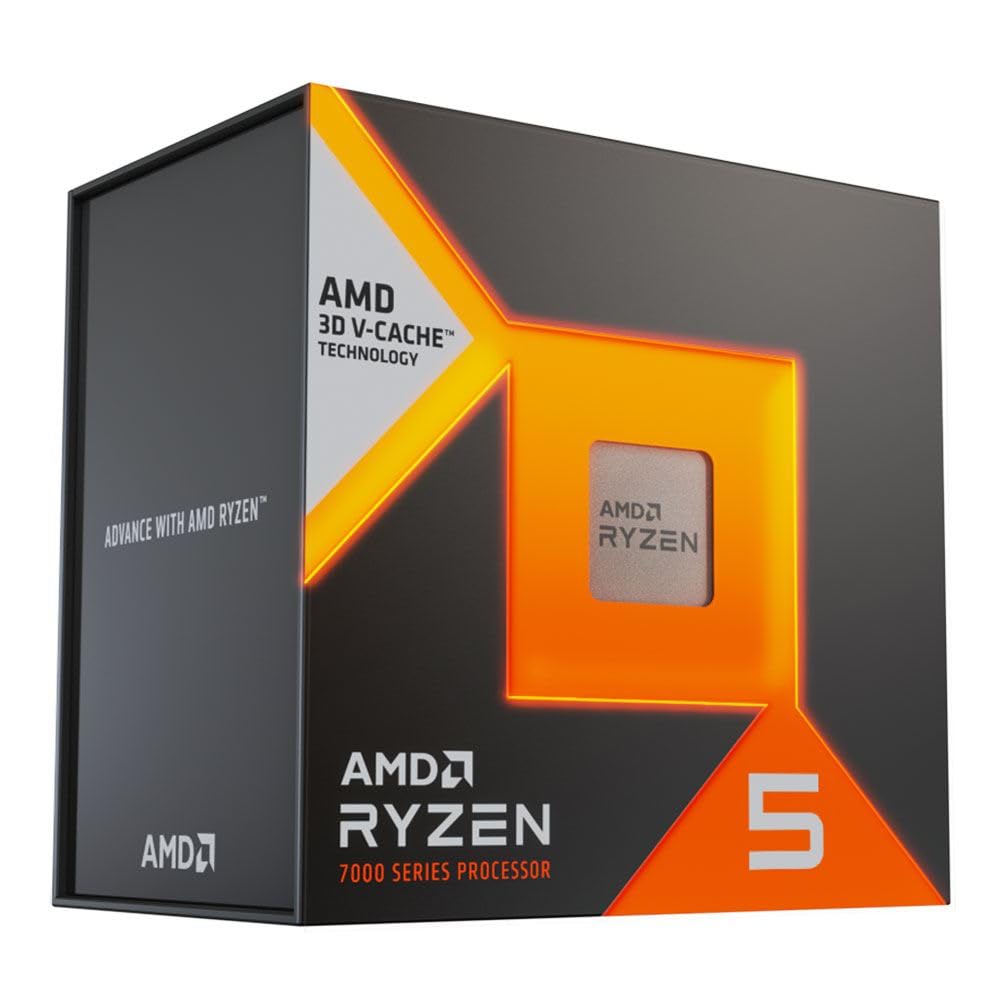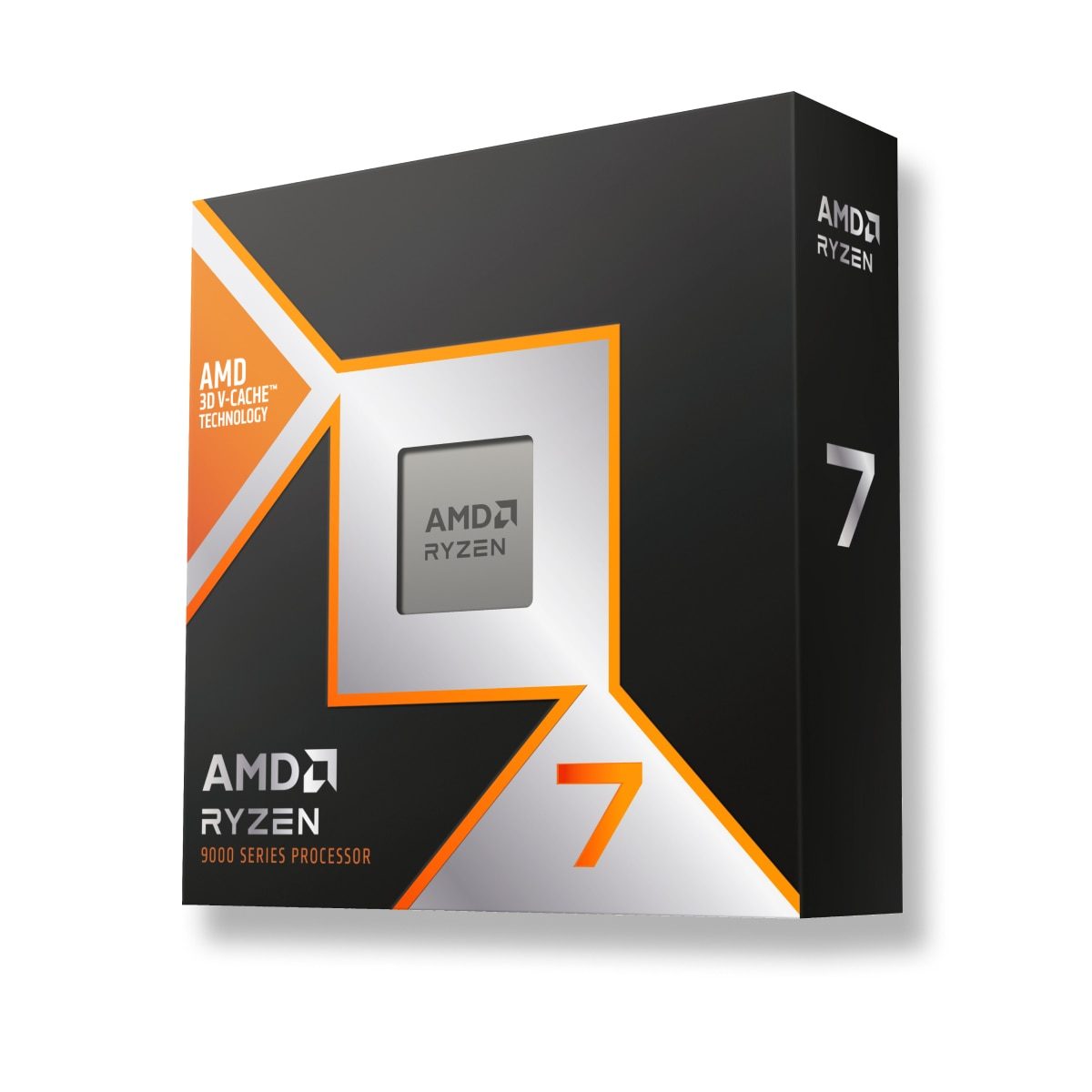
9800X3D Black Friday deals are deals on a desktop processor, not on a whole computer. The chip on this page is a new retail AMD Ryzen 7 9800X3D with 8 cores, 16 threads, 96MB of L3 cache, a boost of up to 5.2 GHz, and an AM5 socket. A cooler is not in the box. The AMD Ryzen 7 9800X3D is aimed at games that like a large pool of L3 cache. The cache story is the point of the X3D name: this part carries 96MB of L3, which is why it shows up on gaming build lists next to ordinary 8-core chips that cost less and win some content-creation chores. If your work is mostly compiling, rendering, or heavy multi-thread video, shop with that bias in mind. If your nights are games, this is the chip people mean by this search.
A processor sale is also a motherboard, memory, cooler, and graphics-card problem. The 9800X3D does not include a video card. It does not include RAM. It may not include a cooler in the box, and you should not assume a fan is hiding under the plastic. Black Friday ads that show a finished tower with this chip name on a sticker are selling a PC. This article is about the chip itself.
The chip you are actually buying
Eight cores and sixteen threads is the core count. That is enough for current games and for a normal desktop. It is not a 12-core or 16-core Ryzen, and a Black Friday listing for a 9900X or a 9950X is a different product with a different job. The socket is AM5. The memory is DDR5. An AM4 board from a Ryzen 5000 build does not accept this chip, and DDR4 does not go in the slots. Plan on a B650, B850, X670, X870, or similar AM5 board that lists the 9800X3D on its support page. Older AM5 boards often need a BIOS update before they will post with a newer CPU. If the board’s box does not say it is ready, borrow a supported chip or pick a board that offers a BIOS update without a CPU.
The cache is 96MB of L3, stacked using AMD’s 3D V-Cache. Games that were limited by cache on a plain 8-core chip are the ones that move. Games that were limited by the graphics card do not care what you paid for the CPU. A 1080p or 1440p setup with a strong video card is where an X3D chip earns its place. At 4K with a midrange card, you are often looking at the GPU again. That is the honest way to decide if this Black Friday premium is yours.
Power and cooling are ordinary desktop requirements, not an afterthought. Use a real cooler, air or liquid, rated for a hot 8-core chip, and a case that can breathe. The stock thermal paste on a third-party cooler is fine to start. Do not run the chip bare while you “wait for a cooler sale.” Check the listing for an included cooler so you are not surprised by an empty box. You will also want a decent AM5 board VRM if you keep the system for years, not the cheapest board that happens to say AM5.
The box should be a tray or a retail PIB with the chip, the case sticker, and the paperwork AMD includes. Marketplace “tray” chips without a warranty statement are a different risk from a retail box. In 2026 there are also fake listings that borrow the 9800X3D name and then describe a clock speed or an architecture that is not Ryzen. If the title says 9800X3D and the bullet says a phone-class core or a 1GHz clock, close it. You are not looking at this processor.
9800X3D Black Friday: Black Friday Deals 2026 buying advice
Buy the chip on Black Friday Deals 2026 when the rest of the build is ready or priced at the same time. A cheap 9800X3D next to an overpriced motherboard and a weak power supply is not a win. DDR5 prices move on their own calendar. Graphics cards move on theirs. Write down the four parts you still need: AM5 board with a current BIOS, DDR5 kit at the speed you actually want, a cooler, and a power supply with the connectors your card uses. Then the CPU price has a home.
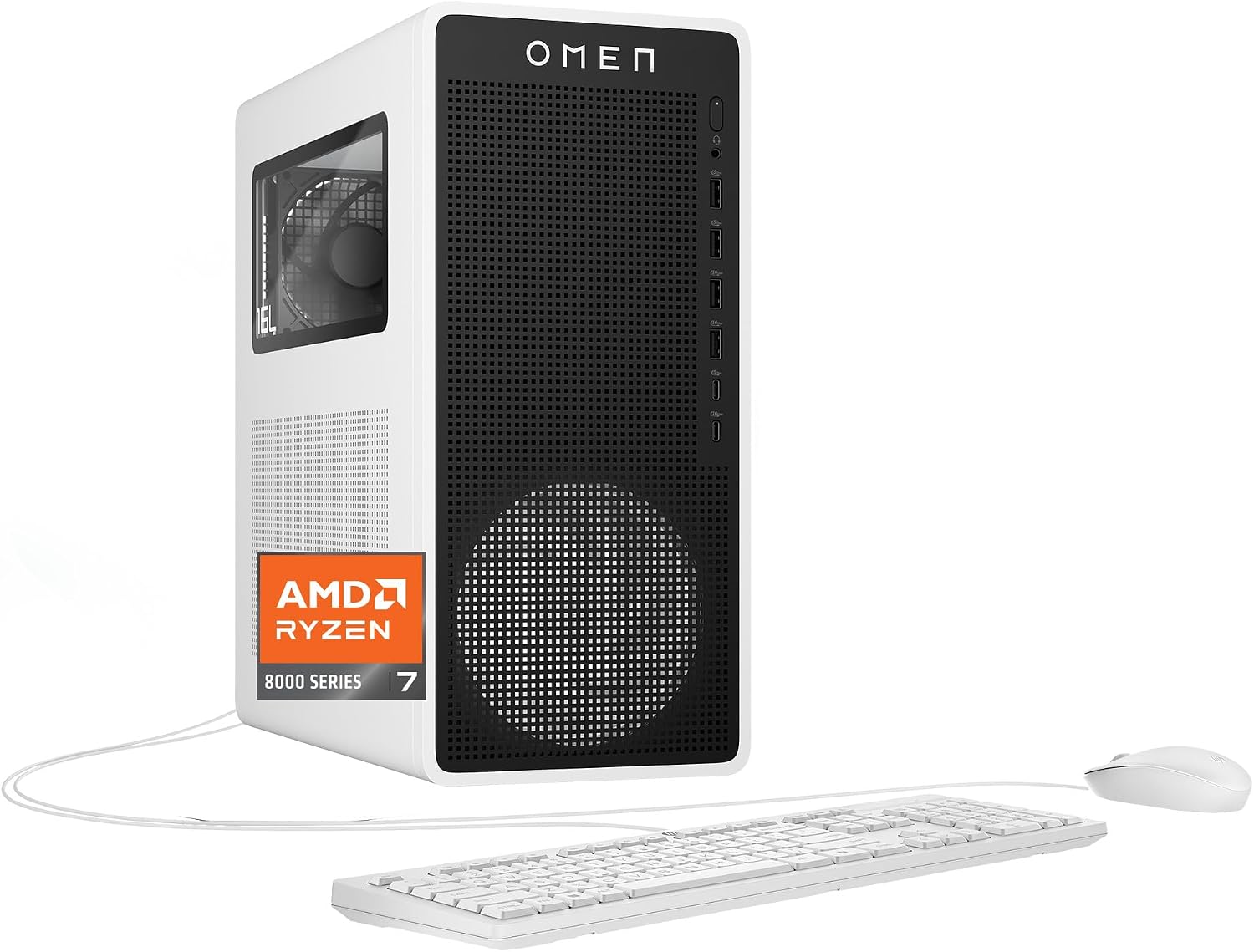
Do not mix this up with a prebuilt that merely says “Ryzen 7” or “X3D.” Some towers ship a 7800X3D, some a 9700X, some a 9800X3D. The digits are the product. A PC article is a different shop. If you want the bare chip, the listing should be the processor, sold as a CPU, with a clear new-or-tray condition. If you want someone else to build it, shop a full PC and read every part in the spec table, including the GPU.
Cooling, case airflow, and a sensible power limit in the BIOS will do more for a quiet desktop than a second copy of the same chip. X3D parts have historically preferred strong cooling and have not been the chips you casually overvolt. Follow AMD’s guidance for this model rather than a forum preset for a different Ryzen. Enable the memory profile you paid for, install the chipset driver, and update the BIOS to the version that lists the 9800X3D.
Black Friday bundles of “CPU plus board” can be convenient when the board is one you would have chosen. They are clutter when the board is an old BIOS, a tiny VRM, or a micro-ATX layout you do not want. Open the bundle and name the board. If the bundle hides the board name, skip it.
A practical bench check after the holiday delivery takes an hour. Install the chip with even cooler pressure, seat two DDR5 sticks in the slots the manual calls out, and boot to the BIOS before you install Windows. Confirm the board reports a 9800X3D, then save the memory profile and watch temperatures in a short game. A chip that only misbehaves after a sloppy mount is a cooler problem. A chip that the BIOS cannot name is a BIOS problem. Either one is easier to fix inside a return window than in January.
The 9800X3D is the right Black Friday purchase when you are building or refreshing an AM5 gaming PC and you want the 8-core 3D V-Cache part, with DDR5 and a discrete graphics card around it. Check the current listing for a retail 9800X3D, confirm eight cores, AM5, and that a cooler is or is not in the box, and buy the chip only as part of a build that can actually use it.